SEO vs Google Ads: Where Should You Invest Your Marketing Budget?
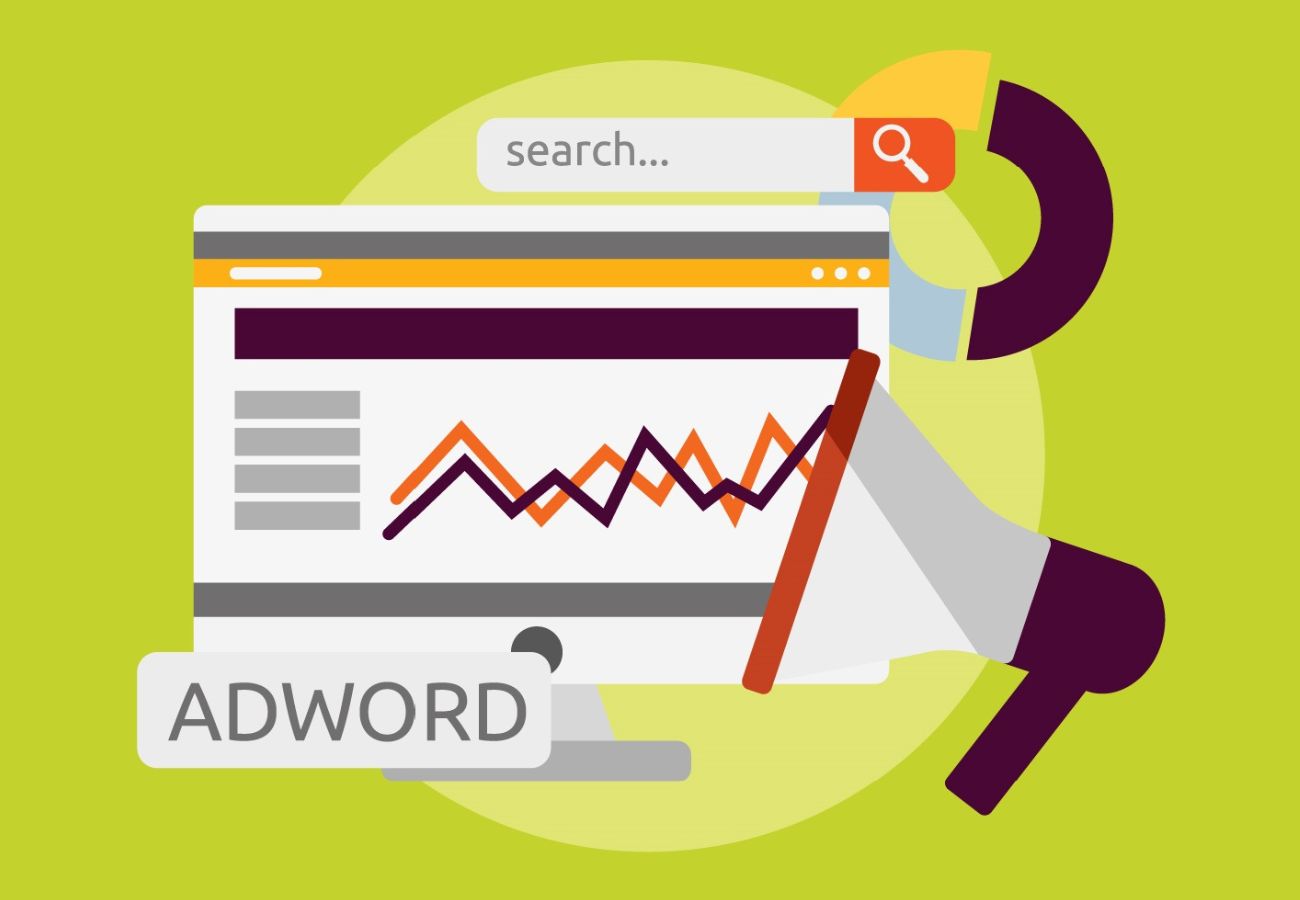
Needless to say, every business must face the same dilemma in their marketing endeavours – whether to spend money and resources for SEO services or for Google advertising? Both avenues seem to provide similar assurances of achieving greater prominence and traffic for their business by ensuring their website is featured in prominent search engine results for interested buyers to see.
From an MDG viewpoint, having an effective marketing decision-making process no longer involves choosing between two blind alleys – rather, where to spend our budget based on an outcome that matters for our enterprise to succeed in today’s highly competitive cyber age.
Understanding the Core Difference Between SEO and Google Ads
While earning organic visibility through better relevance, site architecture, and quality of site content, the focus is solely on gaining visibility. On the other hand, Google Ads, a paid form of search, is a bidding model promoted by MDG, where you bid financially to be at the very top of the search results page, immediately. The live results stop the instant your budget stops. MDGs perceive Google Ads as a performance accelerator, while they perceive search as a form of compounding.
Cost, Control, and Budget Flexibility
One of the greatest determining factors in making a decision between SEO and Google Ads involves considering costs. SEO demands a steady investment of content creation and improvement to maintain these gains on a regular basis. However, no costs are incurred on a per-click basis once this process has already been achieved. Google Ads makes you pay per click on this model, and costs can quickly add up in a more competitive industry scenario. Using a perspective from MDG, SEO offers greater control over a return on investment in terms of costs in comparison to Google Ads.
Speed vs Sustainability
Google Ads will win if speed is the primary focus of the strategy. This is particularly true if the strategy focuses on promoting a product launch, seasonal campaigns, or even market testing. Note that SEO is all about sustainability. While traffic from Google Ads comes in quickly after the ads are set up, traffic from SEO takes longer to achieve. MDG strategies usually balance these extremes by using Google Ads for short-term results while SEO is working to create a strong foundation to fuel future growth.
Trust, Credibility, and User Behaviors
User trust has a large part to play in this, with some users deliberately skipping advertising results in favor of organic ones, as they are considered safer in this way. Search Engine Optimization works in favor of brands, as it gives brands credibility, especially when dealing with informational searches or high-intent searchers. Although Google Ads works exceptionally well when it comes to transactional-type searches, where people are ready to transact, MDG-focused marketers are aware that credibility builds exponentially with search engines, while advertising works best in matters of timing.
Measuring ROI and Performance Clarity
Google Ads provides real-time and easily interpretable performance metrics. Impressions, clicks, conversions, and the cost per conversion are easily trackable in real time. SEO performance metrics are easily interpretable more slowly. Rankings, organic traffic, engagement, and assisted conversions are easily trackable. While the ROI of SEO takes longer to calculate, the returns are often higher in the end. MDG teams typically suggest that Google Ads statistics should be taken into account when coming up with a proper strategy, with a view to establishing which kinds of information have the best resonance at a later stage.
Which Strategy Fits Different Business Goals?
While it can help startups and newly created websites gain traction before SEO efforts are implemented, established businesses and established offerings that do not require large investments of customer acquisition are better off using SEO. When it comes to e-commerce sites, it seems like the best of both worlds is getting excellent conversions for different marketing strategies. An MDG strategy means that no channel will be favored; rather, it will depend on the business goal that we are aiming for.
How SEO and Google Ads Work Better Together
The best way to do that is not an either/or question of SEO or Google Ads, but rather a combination of the two. Google Ads is a way to get instant feedback on keyword terms, landing pages, or existing promotions that are refined or extended later through the power of SEO. Meanwhile, strong SEO reduces reliance on ads for branded and informational searches, freeing up ad budgets for competitive terms. MDG-driven integration ensures that both channels inform each other rather than compete for attention.
FAQs: SEO vs Google Ads Budget Decisions
Is SEO cheaper than Google Ads over time?
Yes, SEO usually becomes more cost-effective over time, because the organic clicks don’t have a direct cost when the rankings are reached.
Can Google Ads completely supplant SEO?
No, the ads stop bringing back returns when the budget is spent, while SEO builds lasting visibility and brand authority.
How long does SEO take compared with Google Ads?
With Google Ads, traffic can be generated immediately, while SEO usually takes several months before strong and consistent results are realized.
Should a small business invest in both?
If the budget allows, a balanced approach often works best. Otherwise, starting with SEO builds a sustainable base, while selective ads can support key campaigns.
Are the same audiences targeted with SEO and Google Ads?
They often target similar search intent, but the user trust and behavior differ in paid versus organic results.
Should small businesses invest in both?
A balanced approach works best if the budget allows. Otherwise, starting with SEO builds a sustainable base, while selective ads can support key campaigns.
Do SEO and Google Ads reach the same audiences?
They often target similar search intent, but the user trust and behavior are different between paid and organic results.
Making the Right Investment Decision
A decision between SEO and Google Ads should never be trend-driven or assumption-based. It needs to be driven by data, goals, and realistic expectations. SEO will work best for brands that are focused on authority, longevity, and lower long-term costs. Google Ads works for businesses needing immediate visibility, flexibility in testing, and fast conversions. MDG strategies prioritize clarity over hype, ensuring every marketing rupee is for growth outcomes, not short-term wins alone.
Conclusion: Choosing What Works for Your Brand
Ultimately, smart marketing budgets aren’t divided by preference but by purpose. SEO and Google Ads are there to do different jobs in the customer journey, and it’s that which helps businesses invest wisely. A considered blend ensures visibility today, while building momentum for tomorrow. For brands wanting to scale sustainably, cooperation with an experienced ecommerce SEO company will help find a proper balance between SEO and Google Ads and turn marketing spend into long-lasting, measurable growth instead of short-term bursts in website traffic.
Related Posts



Follow us
Recent post
Popular post
- How To Call Batch Apex By Scheduler Class Within Salesforce
- What Is The Importance Of Google Algorithm Updates
- How To Create Dynamic Dependent Picklist Of Objects Within Salesforce
- What Is Wrapper Class & How To Use It In Salesforce
- How To Create Pagination Within Salesforce
- Tips For Hiring A Good Offshore Drupal Development Company
- Web Development Mistakes That Affect Your Online Reputation
- How To Integrate Google Maps Into Your Salesforce Software
- Check Your Link Building Strategy For 2014
- Tips For Selling Products Through Social Networking
- How To Create A Chart With Salesforce
- Benefits of Using India For Outsourcing & Offshore Development
- How To Integrate Salesforce With Facebook
- What Is Service Cloud Console In Salesforce & How To Enable It
- Superior Offshore Web Development At A Reasonable Cost
- How To Create Bucket Fields In Your Salesforce Reports
- 5 Things To Consider When Hiring A Drupal Developer
- Growth Of E-commerce Website Development
- Challenges In Hiring An Offshore Web Development Company
- 10 Tips When Creating Batch Apex In Salesforce
- What To Include & What To Exclude In SEO Plans
- How To Create An Opportunity Using A Visualforce Page In Salesforce
- Hire An Offshore Ruby On Rails Development Company Over A Freelancer
- Hire Drupal Developers Offshore To Increase Your Capabilities
- Effective SEO In A Post Panda Update – The Rules Have Changed
- Common Mistakes In Offshore Web Development
- What To Consider While Hiring A Dedicated Ruby On Rails Developer?
- Smart Phone & Tablet User Penetration
- Tips For Hiring A Good Offshore PHP Development Company
- Why Responsive Web Design Is Essential For Your Business
- How To Email Documents From Salesforce
- Website Development And Website Design Company India
- Why Work With An Offshore Development Company?
- How To Create Tab Panel In Salesforce
- How To Avoid 5 Common Off-Page SEO Mistakes
- The Multi-Billion Dollar Offshore Software Development Industry
- What Are The Advantages Of Digital Marketing Over Traditional Marketing?
- SEO & Conversational Keyword Search
- How To Avoid 5 Common On-Page SEO Mistakes
- How To Add Google Authorship And Its Benefits For Better SEO
- What’s Better For Facebook Ads: CPC Or CPM?
- Questions To Ask Your Potential Search Engine Optimization Partner
- How To Create Batch Apex In Salesforce
- Benefits Of Offshore PHP Development For Your Businesses
- Offshore Magento Development Means More Than Just Development Help
- Why You Should Consider Hiring Joomla Developers Offshore
- What To Look For When Hiring A Dedicated OpenCart Developer
- Stop Using Free Web Templates – Hire A Web Development Company
- How To Manage An Offshore Development Company?
- Hire Offshore Software Professionals To Help Your Business
- Offshore Development Is A Sensible Solution For Recessionary Times
- Why You Should Offshore Your Joomla Website Development
- 5 Tips To Help You Hire A Good Offshore PHP Development Company
- Reasons Why Salesforce CRM Customization Is Easy
- PHP Development – Turn Your Website Into A Multi-Featured Web Application
- 5 Things To Ask A Web Development Company Before Starting Work
- How A Multifaceted Web Development Company Can Help You?
- Take Advantage By Hiring A PHP Development Company From India
- Use Social Media Marketing To Improve Your Brand Identity
- Hiring Dedicated Developers From Offshore Development Companies
- See Measurable Results By Hiring Dedicated Ruby On Rails Developer
- Avoid 4 Common WordPress Development Mistakes
- Can “Developed By” Links Hurt Your SEO?
- How To Get All Salesforce Components In Force.com IDE
- The Manifold Advantages Of Working With An Offshore Web Development Company
- Web Development Company In India Defined
- Hire A Dedicated Drupal Developer To Develop A High Performance CMS
- Offshore Development – The Most Beneficial And Cost Effective Way To Outsource Your Business
- What To Look For When Hiring An Offshore Development Company
- Why Dedicated PHP Web Developers Are In Demand
- How To Avoid Some Common Mistakes When Working With An Offshore Web Development Company
- How To Choose An SEO Company
- Factors To Consider When Hiring Offshore Developers In India
- What To Look For When Hiring Dedicated Magento Developers
- Why Google Create Its Own Title Instead Of Using Yours
- 3 Challenges of Working with an Offshore Web Development Company
- Why Ruby On Rails Development Has Become Popular
- Why Hire A Web Development Company That Also Offers SEO
- 10 Tips And Tricks For Salesforce
- Are Back-links Losing Their Importance To Google Search Rankings
- The Significance Of A Salesforce Developer
- 4 Reasons to Hire A Web Development Agency Over A Freelancer
- Hire A PHP Developer- How Outsourcing Can Be A Key To Success
- Importance Of Strategic Digital Marketing For Business Growth
- Factors To Keep In Mind Before Hiring Dedicated Magento Developer
- Web Development India – For Prompt And Accurate Services
- Looking For An Offshore PHP Development Company, Where Do I Begin?
- 5 SEO Myths
- How To Choose A Company When Hiring Dedicated PHP Developers
- Why You Should Optimize For Local Search
- Hiring Offshore WordPress Developers Can Help Your Business
- How To Use Social Networking To Market Your Business
- Why Offshore Web Development To India Makes Business Sense
- 5 Factors To Consider When Hiring A Web Development Company
- Top Five Benefits Of Salesforce
- Benefits Of Hiring A Dedicated PHP Developer From India
- Using SEO & Social Media Together
- How Can An SEO Company Help Your Profile Online
- Strategic Importance Of Mobile SEO
- Choose The Social Media Network That Suits Your Business
Archives
- March 2026
- February 2026
- January 2026
- December 2025
- November 2025
- October 2025
- September 2025
- August 2025
- July 2025
- June 2025
- May 2025
- April 2025
- March 2025
- February 2025
- January 2025
- December 2024
- November 2024
- October 2024
- September 2024
- July 2024
- June 2024
- May 2024
- April 2024
- March 2024
- February 2024
- September 2023
- August 2023
- July 2023
- June 2022
- May 2022
- March 2022
- January 2022
- August 2021
- July 2021
- June 2021
- May 2021
- January 2021
- December 2020
- September 2020
- August 2020
- July 2020
- June 2020
- April 2020
- March 2020
- December 2019
- November 2019
- October 2019
- September 2019
- August 2019
- July 2019
- June 2019
- May 2019
- April 2019
- March 2019
- February 2019
- January 2019
- December 2018
- November 2018
- September 2018
- April 2018
- February 2018
- January 2018
- September 2017
- August 2017
- July 2017
- June 2017
- May 2017
- April 2017
- March 2017
- February 2017
- January 2017
- December 2016
- November 2016
- October 2016
- September 2016
- August 2016
- July 2016
- June 2016
- May 2016
- April 2016
- March 2016
- February 2016
- January 2016
- December 2015
- November 2015
- October 2015
- September 2015
- August 2015
- July 2015
- June 2015
- May 2015
- April 2015
- March 2015
- February 2015
- January 2015
- December 2014