
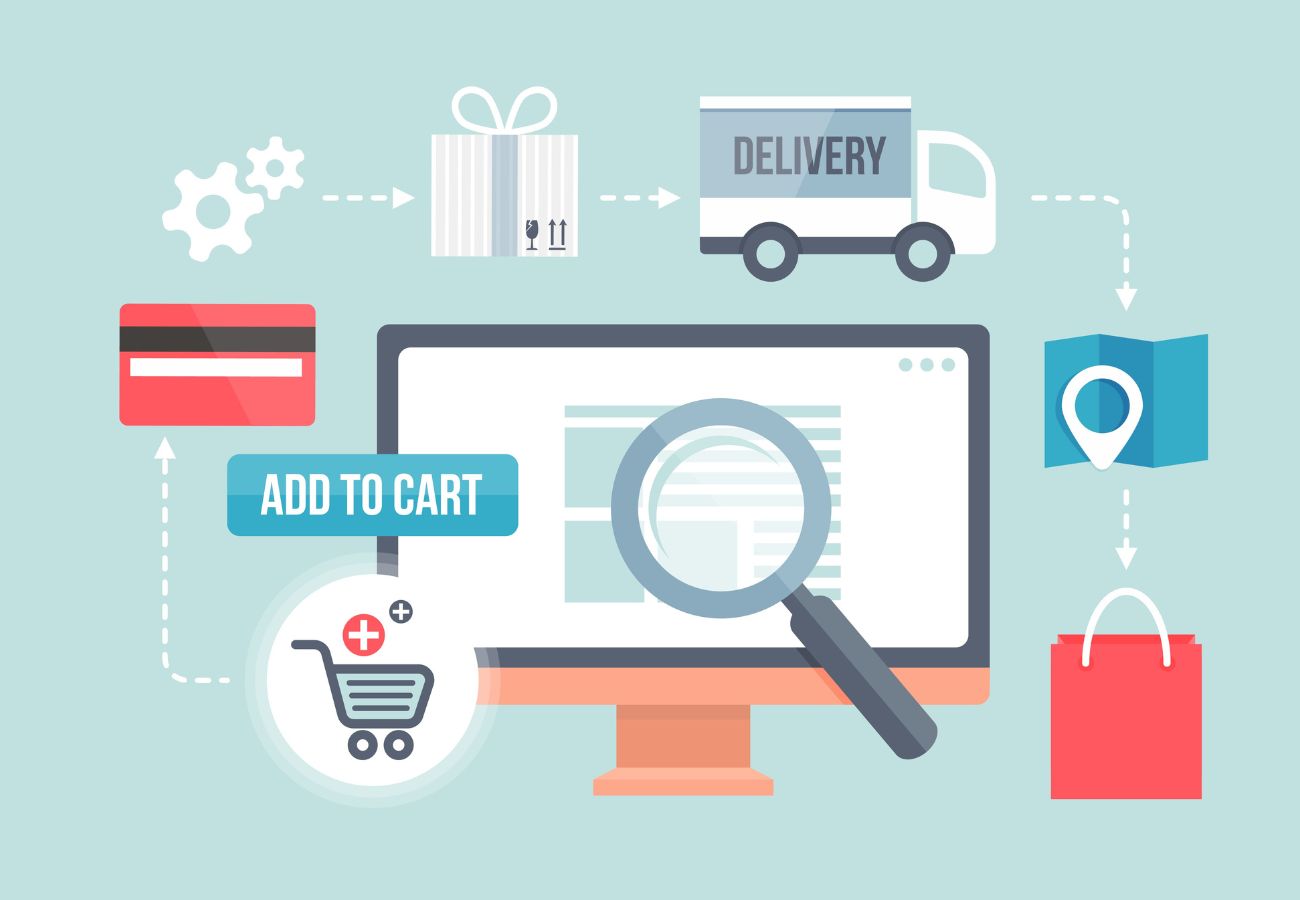
E-Commerce SEO Tips: How to Rank Your Online Store
E-Commerce SEO is the process of improving the performance of the digital store in online search results to attract more visitors without paid ads. An effective e-commerce SEO strategy is needed to help the store and product pages appear at the top of the search engine result page (SERP) when potential customers search for similar products like yours.
You can optimise the product page for search queries, and in doing so, you could increase the chances of potential customers finding your page, clicking on it, and making a purchase.
Learn in this blog about e-commerce SEO and the essential tips for optimizing your website effectively.
Why You Need E-commerce SEO?
SEO is crucial for e-commerce websites because it helps to improve their online visibility and drive traffic to their site. When someone searches for products or services related to your business, you want your website to be one of the first ones they see.
It is essential for driving unpaid organic traffic, standing out among thousands of competitors, and building long-term brand credibility. Without SEO, your target audience may never discover your product pages, regardless of how great your offerings are.
Here are the reasons why you need e-commerce SEO to scale your business:
- Organic search puts your products directly in front of users actively looking to purchase, resulting in higher conversion rates.
- Unlike paid advertising, where traffic stops when your budget runs out, SEO provides a long-lasting, steady stream of leads.
- Consumers generally trust organic search results more than paid banner ads or promoted listings.
- Optimizing for search engines inherently makes your site faster, easier to navigate, and mobile-friendly, which pleases your shoppers.
Now, we will see the strategies to create an effective e-commerce SEO that a professional SEO e-commerce agency will approve.
E-commerce SEO Strategies
|
Conducting an e-commerce SEO audit diagnoses technical errors, optimizes product pages, and aligns your site with evolving algorithms.
It ultimately drives unpaid, high-intent traffic to your store, reduces customer acquisition costs, and boosts sales. It is the first step for any SEO strategy as it helps you determine where your e-commerce site stands among competitors, its search result performance, and areas for improvement. |
|
If you use keyword research tools, they will help generate keyword ideas that will enhance your e-commerce site. Ensure to compile different types of keywords, including:
|
|
Along with auditing your site, you will want ot research the SEO competitors.
It is a site or page that ranks at the top of a Google search results page for your target keywords. These competing sites may or may not be the same businesses that sell products similar to yours. Here are several ways to analyse these web pages, including:
|
|
It refers to the hierarchical structure of a website’s pages. When your site is easy to navigate, visitors can find the information and products they seek, and search engines such as Google can crawl the site and understand the relationship between pages.
If you want to improve site architecture, start by simplifying and organising the site’s structure so that visitors have to click no more than three times to get from the home page to a product page. |
|
Adding keywords to URLs can improve search rankings. Refer to the list of keywords, including broad and subcategory keywords, product keywords, and transactional keywords, and add them to the URLs of pages where they best fit. |
|
These are part of technical SEO and work alongside site architecture to help Google understand what your website is about.
These two elements are usually located in a website’s backend or admin panel, where you can edit the information on a page. Craft a title tag including the keyword you want the page to rank for, and clearly describe each page’s content in 50 to 60 characters. Craft a page description containing the keyword, summarising the page, and conveying the page’s unique value in up to 160 characters. |
FAQs: E-commerce SEO Tips
Q1. How to improve on-page SEO?
Create unique content that satisfies searcher intent and is authoritative within your industry. Include clear, compelling calls to action where needed. Structure each page to lead visitors through a logical thought process. Use target keywords strategically throughout the text, headings, and subheadings.
Q2. How to improve internal linking?
Link to important product pages in the sitewide menu without overcrowding. Incorporate a “customers also bought” section. Link from blog articles to product pages, vice versa.
Q3. What are the SEO tools for the business?
SEMRush, Ahrefs, Google Search Console, Google Analytics, and Ubersuggest are some of the popular SEO tools you can use for the business.
Final Thoughts
Whether it is Healthcare Marketing, Design, Custom Development, Salesforce, Real Estate Marketing, Portfolio, and Development, you can trust MDG!
Grow your brand visibility, boost your digital footprints, and achieve better return on investment (ROI) with our digital marketing services. MDG, the name you can trust.
References
Coursera
Related Posts



Follow us
Recent post
- How AI Is Transforming Enterprise Technology for U.S. Businesses in 2027
- How AI-Powered Search Is Changing Ecommerce SEO Strategies in 2026
- Digital Marketing Trends in Dubai: How AI, Automation, and Personalisation Are Transforming Business Growth
- How AI Search and Google’s AI Overviews Are Changing SEO Strategies in Dubai
Popular post
- How To Call Batch Apex By Scheduler Class Within Salesforce
- What Is The Importance Of Google Algorithm Updates
- How To Create Dynamic Dependent Picklist Of Objects Within Salesforce
- What Is Wrapper Class & How To Use It In Salesforce
- How To Create Pagination Within Salesforce
- Tips For Hiring A Good Offshore Drupal Development Company
- Web Development Mistakes That Affect Your Online Reputation
- How To Integrate Google Maps Into Your Salesforce Software
- Check Your Link Building Strategy For 2014
- Tips For Selling Products Through Social Networking
- How To Create A Chart With Salesforce
- Benefits of Using India For Outsourcing & Offshore Development
- How To Integrate Salesforce With Facebook
- What Is Service Cloud Console In Salesforce & How To Enable It
- Superior Offshore Web Development At A Reasonable Cost
- How To Create Bucket Fields In Your Salesforce Reports
- 5 Things To Consider When Hiring A Drupal Developer
- Growth Of E-commerce Website Development
- Challenges In Hiring An Offshore Web Development Company
- 10 Tips When Creating Batch Apex In Salesforce
- What To Include & What To Exclude In SEO Plans
- How To Create An Opportunity Using A Visualforce Page In Salesforce
- Hire An Offshore Ruby On Rails Development Company Over A Freelancer
- Hire Drupal Developers Offshore To Increase Your Capabilities
- Effective SEO In A Post Panda Update – The Rules Have Changed
- Common Mistakes In Offshore Web Development
- What To Consider While Hiring A Dedicated Ruby On Rails Developer?
- Smart Phone & Tablet User Penetration
- Tips For Hiring A Good Offshore PHP Development Company
- Why Responsive Web Design Is Essential For Your Business
- How To Email Documents From Salesforce
- Website Development And Website Design Company India
- Why Work With An Offshore Development Company?
- How To Create Tab Panel In Salesforce
- How To Avoid 5 Common Off-Page SEO Mistakes
- The Multi-Billion Dollar Offshore Software Development Industry
- What Are The Advantages Of Digital Marketing Over Traditional Marketing?
- SEO & Conversational Keyword Search
- How To Avoid 5 Common On-Page SEO Mistakes
- How To Add Google Authorship And Its Benefits For Better SEO
- What’s Better For Facebook Ads: CPC Or CPM?
- Questions To Ask Your Potential Search Engine Optimization Partner
- How To Create Batch Apex In Salesforce
- Benefits Of Offshore PHP Development For Your Businesses
- Offshore Magento Development Means More Than Just Development Help
- Why You Should Consider Hiring Joomla Developers Offshore
- What To Look For When Hiring A Dedicated OpenCart Developer
- Stop Using Free Web Templates – Hire A Web Development Company
- How To Manage An Offshore Development Company?
- Hire Offshore Software Professionals To Help Your Business
- Offshore Development Is A Sensible Solution For Recessionary Times
- Why You Should Offshore Your Joomla Website Development
- 5 Tips To Help You Hire A Good Offshore PHP Development Company
- Reasons Why Salesforce CRM Customization Is Easy
- PHP Development – Turn Your Website Into A Multi-Featured Web Application
- 5 Things To Ask A Web Development Company Before Starting Work
- How A Multifaceted Web Development Company Can Help You?
- Take Advantage By Hiring A PHP Development Company From India
- Use Social Media Marketing To Improve Your Brand Identity
- Hiring Dedicated Developers From Offshore Development Companies
- See Measurable Results By Hiring Dedicated Ruby On Rails Developer
- Avoid 4 Common WordPress Development Mistakes
- Can “Developed By” Links Hurt Your SEO?
- How To Get All Salesforce Components In Force.com IDE
- The Manifold Advantages Of Working With An Offshore Web Development Company
- Web Development Company In India Defined
- Hire A Dedicated Drupal Developer To Develop A High Performance CMS
- Offshore Development – The Most Beneficial And Cost Effective Way To Outsource Your Business
- What To Look For When Hiring An Offshore Development Company
- Why Dedicated PHP Web Developers Are In Demand
- How To Avoid Some Common Mistakes When Working With An Offshore Web Development Company
- How To Choose An SEO Company
- Factors To Consider When Hiring Offshore Developers In India
- What To Look For When Hiring Dedicated Magento Developers
- Why Google Create Its Own Title Instead Of Using Yours
- 3 Challenges of Working with an Offshore Web Development Company
- Why Ruby On Rails Development Has Become Popular
- Why Hire A Web Development Company That Also Offers SEO
- 10 Tips And Tricks For Salesforce
- Are Back-links Losing Their Importance To Google Search Rankings
- The Significance Of A Salesforce Developer
- 4 Reasons to Hire A Web Development Agency Over A Freelancer
- Hire A PHP Developer- How Outsourcing Can Be A Key To Success
- Importance Of Strategic Digital Marketing For Business Growth
- Factors To Keep In Mind Before Hiring Dedicated Magento Developer
- Web Development India – For Prompt And Accurate Services
- Looking For An Offshore PHP Development Company, Where Do I Begin?
- 5 SEO Myths
- How To Choose A Company When Hiring Dedicated PHP Developers
- Why You Should Optimize For Local Search
- Hiring Offshore WordPress Developers Can Help Your Business
- How To Use Social Networking To Market Your Business
- Why Offshore Web Development To India Makes Business Sense
- 5 Factors To Consider When Hiring A Web Development Company
- Top Five Benefits Of Salesforce
- Benefits Of Hiring A Dedicated PHP Developer From India
- Using SEO & Social Media Together
- How Can An SEO Company Help Your Profile Online
- Strategic Importance Of Mobile SEO
- Choose The Social Media Network That Suits Your Business
Archives
- October 2026
- September 2026
- August 2026
- July 2026
- June 2026
- May 2026
- April 2026
- March 2026
- February 2026
- January 2026
- December 2025
- November 2025
- October 2025
- September 2025
- August 2025
- July 2025
- June 2025
- May 2025
- April 2025
- March 2025
- February 2025
- January 2025
- December 2024
- November 2024
- October 2024
- September 2024
- July 2024
- June 2024
- May 2024
- April 2024
- March 2024
- February 2024
- September 2023
- August 2023
- July 2023
- June 2022
- May 2022
- March 2022
- January 2022
- August 2021
- July 2021
- June 2021
- May 2021
- January 2021
- December 2020
- September 2020
- August 2020
- July 2020
- June 2020
- April 2020
- March 2020
- December 2019
- November 2019
- October 2019
- September 2019
- August 2019
- July 2019
- June 2019
- May 2019
- April 2019
- March 2019
- February 2019
- January 2019
- December 2018
- November 2018
- September 2018
- April 2018
- February 2018
- January 2018
- September 2017
- August 2017
- July 2017
- June 2017
- May 2017
- April 2017
- March 2017
- February 2017
- January 2017
- December 2016
- November 2016
- October 2016
- September 2016
- August 2016
- July 2016
- June 2016
- May 2016
- April 2016
- March 2016
- February 2016
- January 2016
- December 2015
- November 2015
- October 2015
- September 2015
- August 2015
- July 2015