Omnichannel Digital Marketing: Why Brands That Do This Win Every Time
Introduction
Businesses no longer interact with customers through a single channel. A buyer may discover your brand on social media, visit your website, compare reviews, subscribe to emails and complete a purchase days later. Every interaction shapes their perception of your business. If these experiences feel disconnected, customers are more likely to move elsewhere. An effective omnichannel approach helps create consistency across every touchpoint, making it easier to build trust, improve engagement and encourage long-term loyalty.
What Is Omnichannel Digital Marketing?
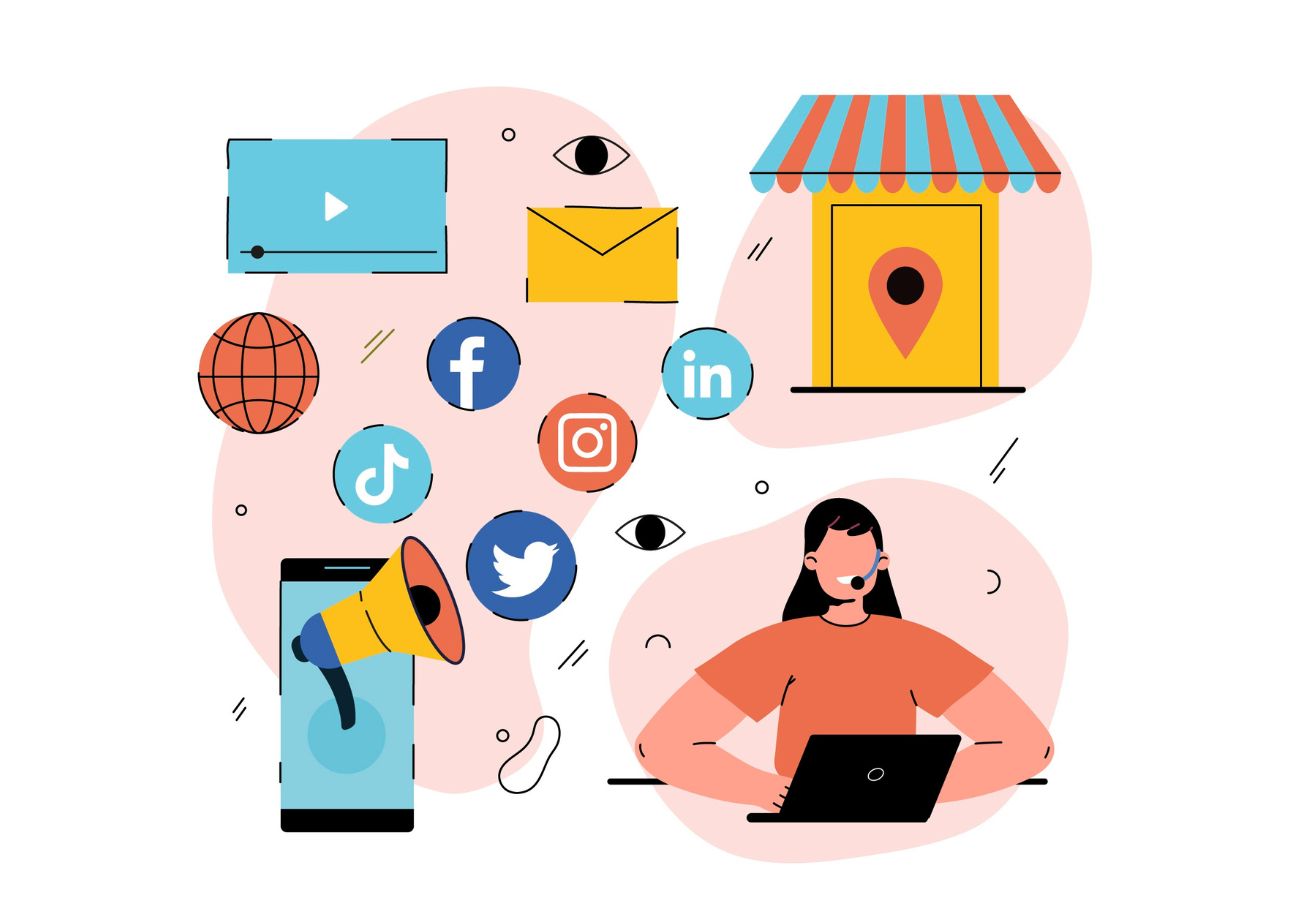
Omnichannel digital marketing focuses on delivering a connected customer experience across all online and offline channels. Instead of treating each platform as a separate marketing activity, every channel works together to guide customers through their buying journey.
Whether someone interacts with your website, social media accounts, email campaigns or paid advertisements, they should receive a consistent experience that reflects your brand identity and messaging.
Unlike multichannel marketing, which simply uses several channels independently, an omnichannel strategy connects customer interactions so every touchpoint supports the next.
Why Customer Expectations Have Changed
Today’s customers expect convenience and consistency. They want to move between devices and platforms without having to restart their journey.
For example, a customer may:
- Discover A Product On Social Media: They first see your product through an Instagram advertisement before visiting your website.
- Research Through Search Engines: They compare reviews, pricing and product information before making a decision.
- Return Through Email: A personalised email reminds them about the product they viewed previously.
- Complete The Purchase Later: They finalise their order from another device without any disruption.
Brands that create this seamless journey often experience stronger engagement because customers feel understood rather than repeatedly marketed to.
The Key Benefits Of An Omnichannel Strategy
A connected marketing strategy supports both customer satisfaction and business growth.
Improved Customer Experience
Customers appreciate brands that provide consistent messaging across every interaction. Familiar branding and personalised communication make the buying process easier and more enjoyable.
Better Customer Retention
When every touchpoint works together, customers are more likely to return. Consistency builds confidence, which contributes to repeat purchases and stronger long-term relationships.
More Effective Marketing Decisions
An omnichannel strategy combines customer insights from multiple platforms, allowing businesses to understand how people interact before making a purchase. This creates opportunities to improve campaigns based on real behaviour rather than assumptions.
Higher Conversion Opportunities
Customers rarely purchase after their first interaction. A connected experience keeps your brand visible throughout the decision-making process, increasing the likelihood of conversion.
The Essential Components Of A Successful Omnichannel Strategy
Building an effective omnichannel strategy requires careful planning rather than simply being active on multiple platforms.
Consistent Brand Messaging
Your tone, visuals and messaging should remain aligned across your website, social media, email marketing and advertising. Customers should immediately recognise your brand regardless of where they engage.
Integrated Customer Data
Collecting insights from multiple customer touchpoints allows businesses to understand behaviour more accurately. These insights help improve future campaigns and personalise communication.
Personalised Experiences
Customers respond positively when businesses provide relevant recommendations and tailored content instead of generic promotions. Personalisation strengthens engagement throughout the customer journey.
Cross-Channel Performance Measurement
Rather than measuring each platform separately, businesses should evaluate how different channels work together to support customer acquisition and retention.
Common Mistakes Businesses Should Avoid
Many businesses attempt omnichannel marketing without fully connecting their customer experience.
Some of the most common mistakes include:
- Treating Every Platform Separately: Running unrelated campaigns across different channels creates inconsistent customer experiences and weakens brand recognition.
- Ignoring Customer Behaviour: Decisions based solely on assumptions often produce lower engagement than campaigns built around customer insights.
- Using Inconsistent Messaging: Different offers, branding or communication styles across platforms can confuse potential customers.
- Measuring Only Individual Channels: Looking at isolated metrics makes it difficult to understand the complete customer journey.
Businesses that invest in digital marketing services often gain access to integrated strategies, customer analytics and campaign management that help avoid these challenges while improving overall marketing performance.
How Businesses Can Get Started
Developing an omnichannel strategy does not require launching every marketing channel at once. Instead, begin by understanding where your customers spend their time and how they interact with your business.
Review your current customer journey, identify gaps between channels and focus on creating a consistent experience across your most important platforms. As your understanding improves, you can gradually expand your strategy while measuring customer behaviour and refining future campaigns.
Conclusion
Omnichannel digital marketing is about creating a connected experience rather than managing multiple marketing channels independently. When customers receive consistent messaging, personalised communication and smooth transitions between platforms, they are more likely to trust your brand and continue their journey.
Businesses that understand customer behaviour and continuously improve their cross-channel strategy are better positioned to increase engagement, strengthen loyalty and achieve sustainable growth over time.
Frequently Asked Questions
1. What Is The Difference Between Omnichannel And Multichannel Marketing?Multichannel marketing uses several communication channels independently, while omnichannel marketing connects every customer interaction to create one seamless experience.
2. Why Is Omnichannel Marketing Important For Businesses?
It improves customer experience, strengthens brand consistency, increases customer retention and helps businesses make better marketing decisions using connected customer data.
3. Which Businesses Benefit Most From Omnichannel Marketing?
Retail businesses, e-commerce brands, SMEs, B2B companies, start-ups and organisations focused on customer acquisition and long-term growth can all benefit.
4. How Do You Measure The Success Of An Omnichannel Strategy?
Success can be measured through customer retention, conversion rates, customer lifetime value, engagement across channels and overall marketing performance.
5. Can Small Businesses Implement Omnichannel Marketing?
Yes. Small businesses can begin by connecting their website, social media and email marketing before gradually expanding their strategy as customer data and resources grow.
Related Posts


Follow us
Recent post
Popular post
- How To Call Batch Apex By Scheduler Class Within Salesforce
- What Is The Importance Of Google Algorithm Updates
- How To Create Dynamic Dependent Picklist Of Objects Within Salesforce
- What Is Wrapper Class & How To Use It In Salesforce
- How To Create Pagination Within Salesforce
- Tips For Hiring A Good Offshore Drupal Development Company
- Web Development Mistakes That Affect Your Online Reputation
- How To Integrate Google Maps Into Your Salesforce Software
- Check Your Link Building Strategy For 2014
- Tips For Selling Products Through Social Networking
- How To Create A Chart With Salesforce
- Benefits of Using India For Outsourcing & Offshore Development
- How To Integrate Salesforce With Facebook
- What Is Service Cloud Console In Salesforce & How To Enable It
- Superior Offshore Web Development At A Reasonable Cost
- How To Create Bucket Fields In Your Salesforce Reports
- 5 Things To Consider When Hiring A Drupal Developer
- Growth Of E-commerce Website Development
- Challenges In Hiring An Offshore Web Development Company
- 10 Tips When Creating Batch Apex In Salesforce
- What To Include & What To Exclude In SEO Plans
- How To Create An Opportunity Using A Visualforce Page In Salesforce
- Hire An Offshore Ruby On Rails Development Company Over A Freelancer
- Hire Drupal Developers Offshore To Increase Your Capabilities
- Effective SEO In A Post Panda Update – The Rules Have Changed
- Common Mistakes In Offshore Web Development
- What To Consider While Hiring A Dedicated Ruby On Rails Developer?
- Smart Phone & Tablet User Penetration
- Tips For Hiring A Good Offshore PHP Development Company
- Why Responsive Web Design Is Essential For Your Business
- How To Email Documents From Salesforce
- Website Development And Website Design Company India
- Why Work With An Offshore Development Company?
- How To Create Tab Panel In Salesforce
- How To Avoid 5 Common Off-Page SEO Mistakes
- The Multi-Billion Dollar Offshore Software Development Industry
- What Are The Advantages Of Digital Marketing Over Traditional Marketing?
- SEO & Conversational Keyword Search
- How To Avoid 5 Common On-Page SEO Mistakes
- How To Add Google Authorship And Its Benefits For Better SEO
- What’s Better For Facebook Ads: CPC Or CPM?
- Questions To Ask Your Potential Search Engine Optimization Partner
- How To Create Batch Apex In Salesforce
- Benefits Of Offshore PHP Development For Your Businesses
- Offshore Magento Development Means More Than Just Development Help
- Why You Should Consider Hiring Joomla Developers Offshore
- What To Look For When Hiring A Dedicated OpenCart Developer
- Stop Using Free Web Templates – Hire A Web Development Company
- How To Manage An Offshore Development Company?
- Hire Offshore Software Professionals To Help Your Business
- Offshore Development Is A Sensible Solution For Recessionary Times
- Why You Should Offshore Your Joomla Website Development
- 5 Tips To Help You Hire A Good Offshore PHP Development Company
- Reasons Why Salesforce CRM Customization Is Easy
- PHP Development – Turn Your Website Into A Multi-Featured Web Application
- 5 Things To Ask A Web Development Company Before Starting Work
- How A Multifaceted Web Development Company Can Help You?
- Take Advantage By Hiring A PHP Development Company From India
- Use Social Media Marketing To Improve Your Brand Identity
- Hiring Dedicated Developers From Offshore Development Companies
- See Measurable Results By Hiring Dedicated Ruby On Rails Developer
- Avoid 4 Common WordPress Development Mistakes
- Can “Developed By” Links Hurt Your SEO?
- How To Get All Salesforce Components In Force.com IDE
- The Manifold Advantages Of Working With An Offshore Web Development Company
- Web Development Company In India Defined
- Hire A Dedicated Drupal Developer To Develop A High Performance CMS
- Offshore Development – The Most Beneficial And Cost Effective Way To Outsource Your Business
- What To Look For When Hiring An Offshore Development Company
- Why Dedicated PHP Web Developers Are In Demand
- How To Avoid Some Common Mistakes When Working With An Offshore Web Development Company
- How To Choose An SEO Company
- Factors To Consider When Hiring Offshore Developers In India
- What To Look For When Hiring Dedicated Magento Developers
- Why Google Create Its Own Title Instead Of Using Yours
- 3 Challenges of Working with an Offshore Web Development Company
- Why Ruby On Rails Development Has Become Popular
- Why Hire A Web Development Company That Also Offers SEO
- 10 Tips And Tricks For Salesforce
- Are Back-links Losing Their Importance To Google Search Rankings
- The Significance Of A Salesforce Developer
- 4 Reasons to Hire A Web Development Agency Over A Freelancer
- Hire A PHP Developer- How Outsourcing Can Be A Key To Success
- Importance Of Strategic Digital Marketing For Business Growth
- Factors To Keep In Mind Before Hiring Dedicated Magento Developer
- Web Development India – For Prompt And Accurate Services
- Looking For An Offshore PHP Development Company, Where Do I Begin?
- 5 SEO Myths
- How To Choose A Company When Hiring Dedicated PHP Developers
- Why You Should Optimize For Local Search
- Hiring Offshore WordPress Developers Can Help Your Business
- How To Use Social Networking To Market Your Business
- Why Offshore Web Development To India Makes Business Sense
- 5 Factors To Consider When Hiring A Web Development Company
- Top Five Benefits Of Salesforce
- Benefits Of Hiring A Dedicated PHP Developer From India
- Using SEO & Social Media Together
- How Can An SEO Company Help Your Profile Online
- Strategic Importance Of Mobile SEO
- Choose The Social Media Network That Suits Your Business
Archives
- September 2026
- August 2026
- July 2026
- June 2026
- May 2026
- April 2026
- March 2026
- February 2026
- January 2026
- December 2025
- November 2025
- October 2025
- September 2025
- August 2025
- July 2025
- June 2025
- May 2025
- April 2025
- March 2025
- February 2025
- January 2025
- December 2024
- November 2024
- October 2024
- September 2024
- July 2024
- June 2024
- May 2024
- April 2024
- March 2024
- February 2024
- September 2023
- August 2023
- July 2023
- June 2022
- May 2022
- March 2022
- January 2022
- August 2021
- July 2021
- June 2021
- May 2021
- January 2021
- December 2020
- September 2020
- August 2020
- July 2020
- June 2020
- April 2020
- March 2020
- December 2019
- November 2019
- October 2019
- September 2019
- August 2019
- July 2019
- June 2019
- May 2019
- April 2019
- March 2019
- February 2019
- January 2019
- December 2018
- November 2018
- September 2018
- April 2018
- February 2018
- January 2018
- September 2017
- August 2017
- July 2017
- June 2017
- May 2017
- April 2017
- March 2017
- February 2017
- January 2017
- December 2016
- November 2016
- October 2016
- September 2016
- August 2016
- July 2016
- June 2016
- May 2016
- April 2016
- March 2016
- February 2016
- January 2016
- December 2015
- November 2015
- October 2015
- September 2015
- August 2015
- July 2015
- June 2015